Is this Perimenopause?
This is, in fact, Perimenopause
Congratulations! You’ve successfully made it to the fun stage of life known as perimenopause! Or, have you? Unfortunately, there is no blood test to diagnose perimenopause. But there are plenty of symptoms and other changes happening in your body during this stage of life that clue us in that perimenopause is underway.
First … The terms can be confusing. Perimenopause is considered the years in a women’s life when hormone levels start to change, encompasses the years leading up to menopause and includes the 12 months after menopause. Menopause occurs when periods have stopped naturally for 12 consecutive months, so it is defined retrospectively. Symptoms can be present in all stages of perimenopause and menopause but tend to peak in the 1-2 years surrounding menopause especially.
Second … Perimenopause is not a “one size fits all” phenomenon! The age at which perimenopause starts, the age at which perimenopause stops, and the symptoms that may (or may not) be present during perimenopause are all completely variable from one woman to the next. This is partly why working with an experienced doctor matters. Being able to discuss what you are experiencing, how you are feeling, what changes are happening and what you need help with all takes time, expertise, and discernment.
The Science: Physiology Overview
- A woman’s ovaries contain millions of follicles at birth; however, most follicles never fully mature and instead fade away over time (atresia)
- The number of follicles is fixed at birth and begins a steady decline with aging
- During puberty, 1 follicle matures enough to release an egg each month. If that egg isn’t fertilized, the result is a period (menses). A regular menstrual cycle lasts roughly 28 days
- By age 35, the number of follicles is significantly depleted (atresia and menses) and the quality of each follicle is less, which is part of the reason why fertility is affected as women age. Importantly, the decline in the number of follicles is no longer steady; instead, the loss accelerates
- Follicular atresia is accelerated by lots of factors including a drop in hormone levels, cell damage through natural and environmental factors, genetics, and inflammatory changes
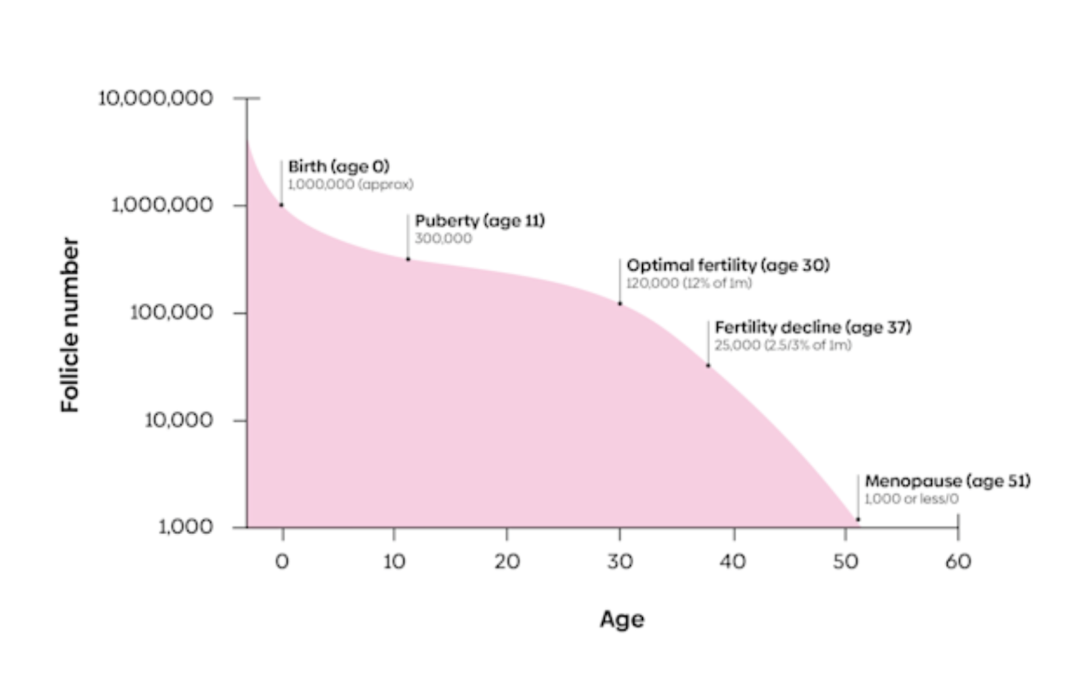
- Follicles are important, not just because they produce an egg which can be fertilized if a woman wants to have children, but also because they produce several important hormones, including estrogen, progesterone and testosterone
- Estrogen, progesterone and testosterone have many important roles throughout the body and are not just important for fertility
- Estrogen, progesterone and testosterone have many important roles throughout the body and are not just important for fertility
- As the number of follicles declines, the levels of estrogen, progesterone and testosterone also drop. The result?
- Irregular periods (shorter cycles, longer cycles, skipped cycles)
- Heavier periods
- Symptoms (lots of them and many are vague or have overlap with other symptoms associated with getting older)
- Sounds simple, right? The big picture is simple. Follicle numbers are set and birth and go down with time. By the mid 30s, the numbers have dropped significantly and the decline actually starts to speed up. Hormone levels go down because there are less follicles available to produce them. All of this results in changes to our periods and symptoms.
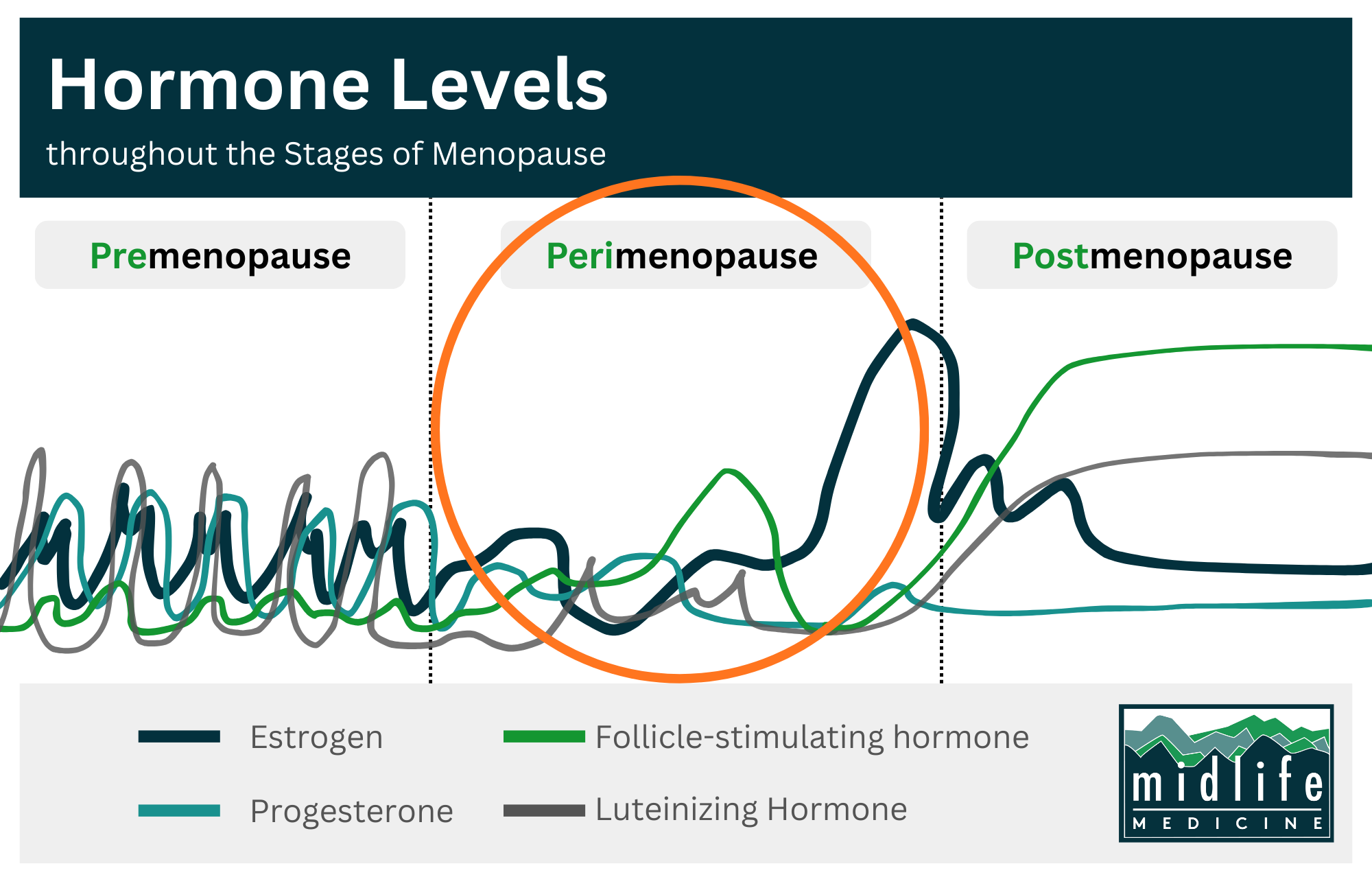
- BUT… when you zoom in on perimenopause, it’s not that simple. During perimenopause, hormone levels are all over the place, going up and down and all around. This is why lab tests during perimenopause are unhelpful. The lab result could technically be normal on that one day you had your lab drawn. Instead, doctors look at symptoms (how are you feeling? What is happening with your body?) and track your periods (are they heavier? Irregular? Occurring more frequently or starting to space out further?). This information is much more accurate to assess perimenopause than a lab test.
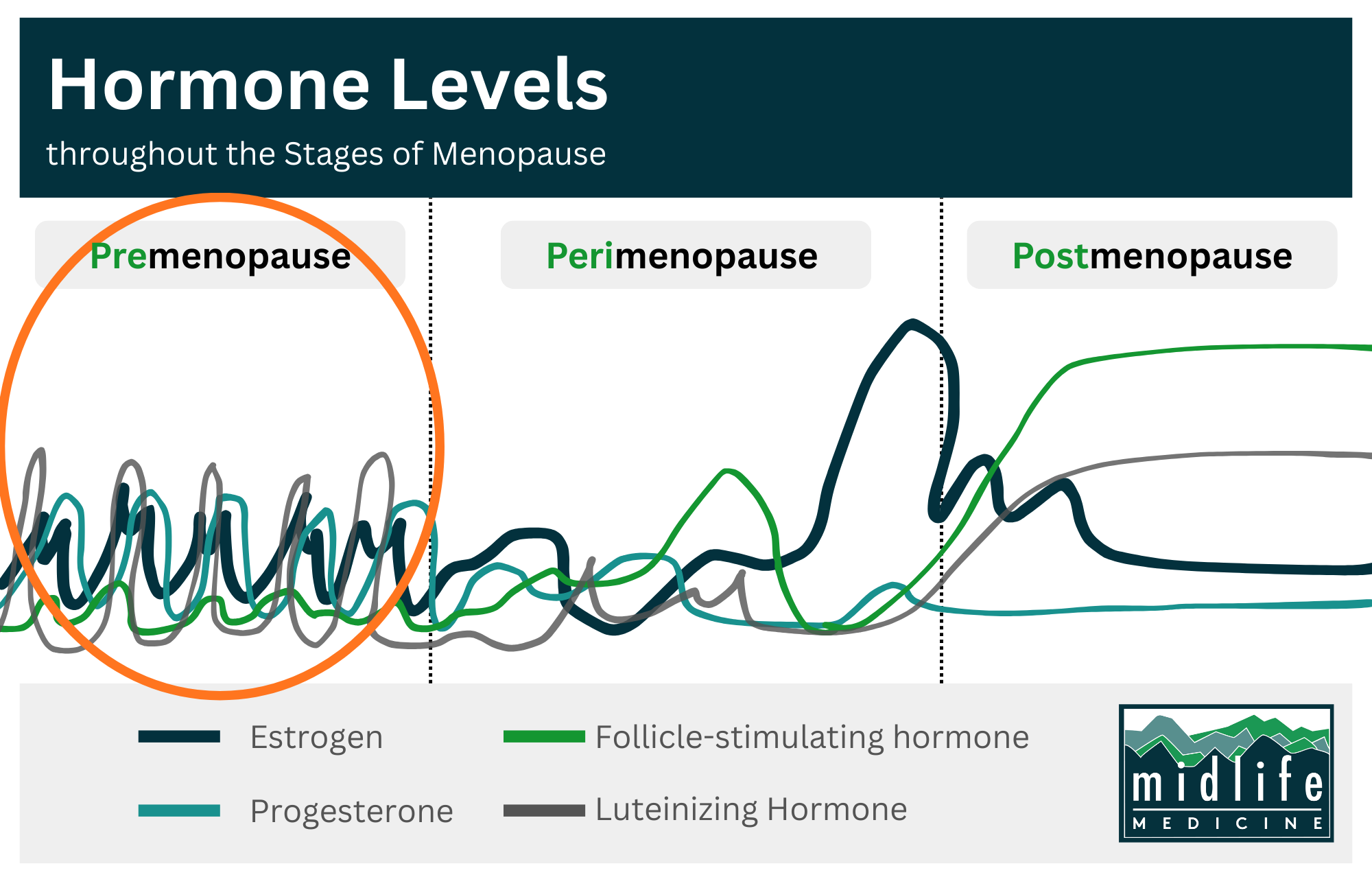
Pre-Perimenopause Hormone Levels are Usually Predictable
- The ebb and flow of estrogen and progesterone is highly regulated by the brain and ovary communicating with each other through other hormones called follicle stimulating hormone (FSH) and leutinizing hormone (LH)
Perimenopause Hormone Levels are Unpredictable
So what might you feel during perimenopause?
When estrogen levels are HIGH, women may experience
- breast tenderness
- heavy and irregular periods
- Headaches
- Mood swings
- Weight gain
When estrogen levels are LOW, women may experience
- hot flashes
- night sweats
- difficulty sleeping
- moodiness / irritability
- “brain fog”
- joint aches or pains
- decreased libido
- vaginal dryness
- pain with sex
- urinary urgency, frequency, and increased frequency of UTIs
- Digestive problems (constipation, change in gut microbiome in particular)
With Declining Progesterone, women may experience
- Irritability / mood swings (like low estrogen)
- Increased anxiety
- Difficulty falling asleep
- Digestive problems (like low estrogen)
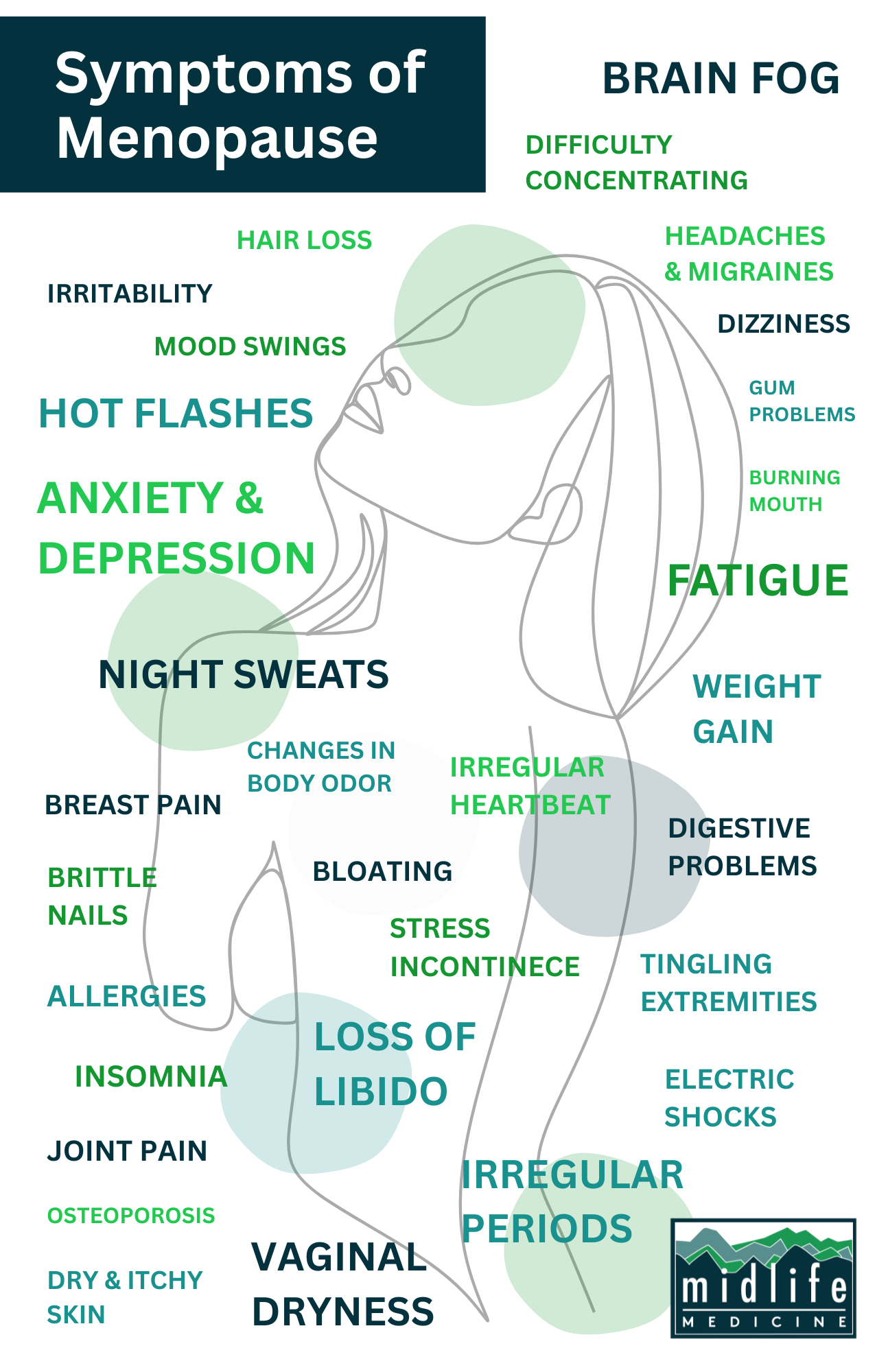
Symptoms aren’t the only star of the perimenopause show
A woman’s overall health is also shifting during midlife. As the body ages, chronic disease becomes more likely. Weaker bones, shifting body fat, muscle loss, insulin resistance, heart disease and potential cognitive decline are just a few of the fun changes that start during midlife.
Primary prevention is the best medicine: Proactive monitoring, lifestyle adjustments, and timely medical intervention when appropriate are necessary NOW to add quality years to your life in the future.
Are you struggling with any of these symptoms? Are you worried that something is seriously wrong? Do you need a doctor that understands the nuance of the menopause transition?
Let’s Chat.
In good health,
Dr. Todd
Ready to get started with Midlife Medicine?
Schedule a 20-minute no-commitment Meet & Greet call with our team today.